Rome Travel Guide: plan your trip offline
Your offline companion to the Eternal City.
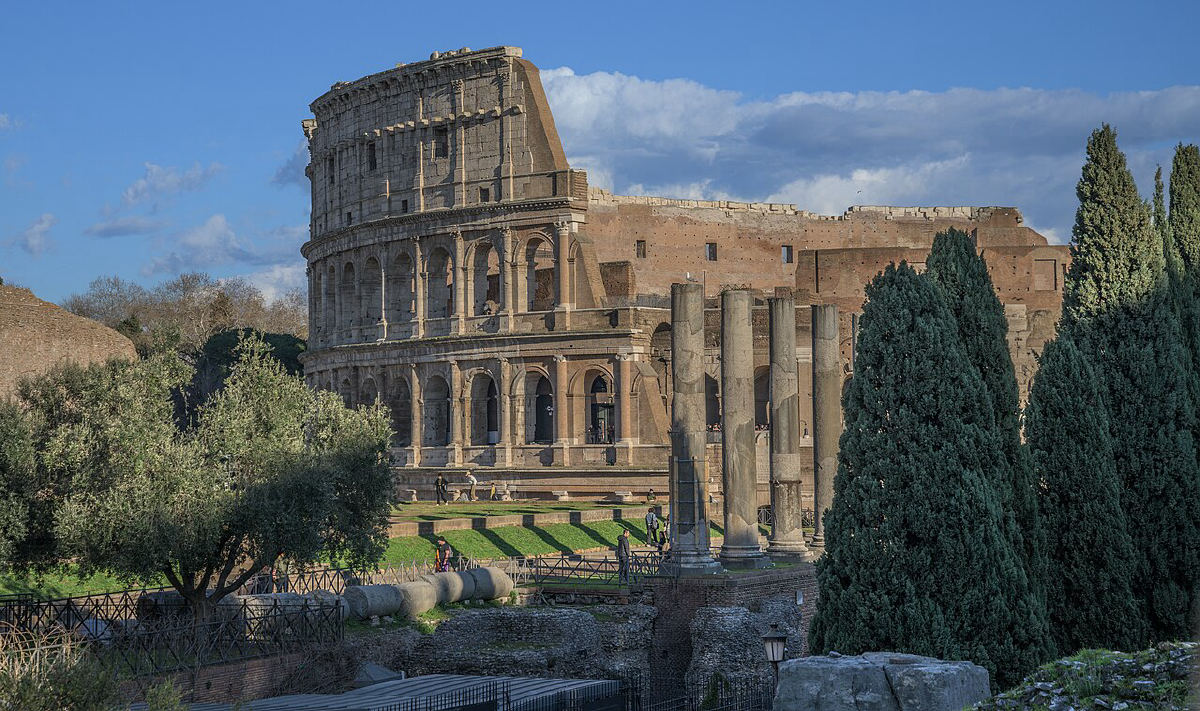

Rome packs almost three thousand years of history into one walkable city. Gladiators fought in the Colosseum, emperors held court on the Palatine, popes built St Peter's and Baroque artists filled the squares with fountains. Today the ancient ruins stand beside busy cafés, markets and trattorias, and you can pass from the Forum to the Trevi Fountain in an afternoon.
This guide helps you plan without a signal: which sights to book ahead, how the ticket and dress-code rules work, how the metro, buses and trains fit together, how to avoid the common scams, what to eat, and day plans that group sights by area to save walking in the heat.
Get the Rome guide on Google Play
Quick facts
When to visit
April to June and September to October are the best months, with warm, sunny days around 18–28 °C and long evenings. July and August are hot (often 32–36 °C) and very crowded, and many family-run restaurants close for a week or two around 15 August (Ferragosto). Winter is mild and quieter, with some rain, and short queues at the main sights. Easter and the Christmas period are busy, so book tickets well ahead.
Top places
- The ColosseumThe giant amphitheatre where gladiators fought, and Rome's most famous sight.
- The Roman ForumThe ruined heart of ancient Rome, where politics, trade and religion met.
- The PantheonA 2,000-year-old temple with the world's largest unreinforced concrete dome.
- Trevi FountainRome's grand Baroque fountain, where visitors toss a coin to return.
- The Spanish StepsA grand staircase of 135 steps, linking a lively square with a hilltop church.
- Piazza NavonaA beautiful Baroque square, built on a Roman stadium, with three grand fountains.
- St Peter's BasilicaThe largest church in the world, topped by Michelangelo's dome.
- Campo de' FioriA lively square with a daily market by day and bars by night.
- TrastevereCobbled lanes, ivy-covered houses and the best evening atmosphere in Rome.
- Altare della Patria (Vittoriano)The huge white marble monument on Piazza Venezia, with a rooftop terrace over Rome.
Day plans
Practical tips
- Getting aroundMetro, buses, trams and walking
- AirportFiumicino and Ciampino to the city
- Money & tippingCards, cover charges and tourist tax
- Rules & ticketsDress codes, fines and booking
- Scams to avoidPickpockets and common tricks
- Local etiquetteMeals, coffee and manners
- Weather & timingHeat, crowds and closures
- Eating outRoman dishes and where to eat
In Italy and across the EU, 112 is the single emergency number and reaches the police, ambulance and fire service from any phone, free of charge.
The free guide on this page is the same free tier you get in the app. The full app adds 14 more places, 4 more itineraries, 11 more tips and works offline, with one purchase, no ads and no login.
Get the Rome guide on Google Play